
Lithium battery professional builder
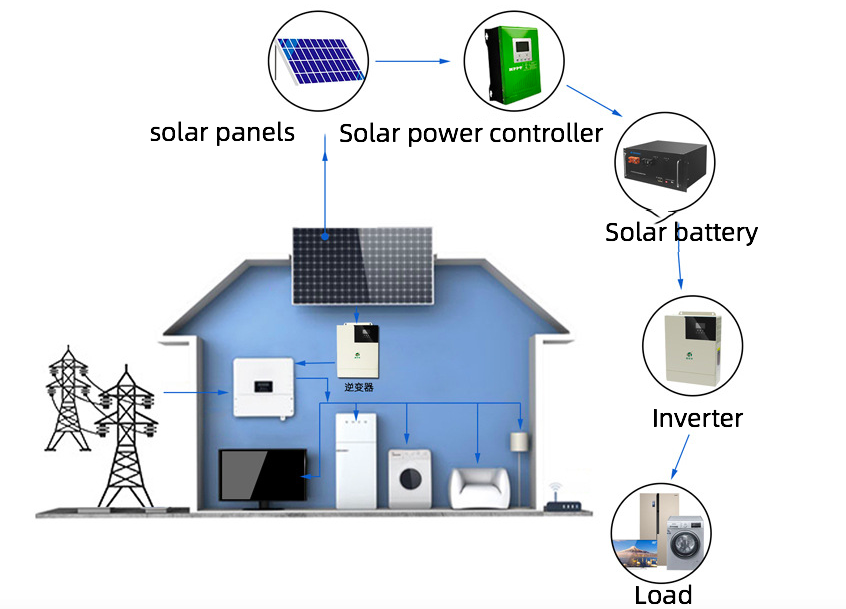
Many people wonder whether a solar panel can be used to charge a UPS battery. The short answer is yes, but the panel should not be connected directly to the UPS or battery. A safer setup follows this path: solar panel→charge controller→battery bank→UPS/inverter→critical loads.
However, using solar power with a UPS battery is not simply a matter of connecting the right cables. UPS batteries are generally designed for short-term backup, while solar systems may require repeated charging and discharging. The right setup depends on external battery support, battery chemistry, MPPT or PWM control, voltage and current matching, BMS protection, and whether the system is intended for short-term backup or extended off-grid use.
This guide covers the key factors involved in solar-charging a UPS battery, including battery differences, system compatibility, safe wiring, sizing, and battery chemistry.
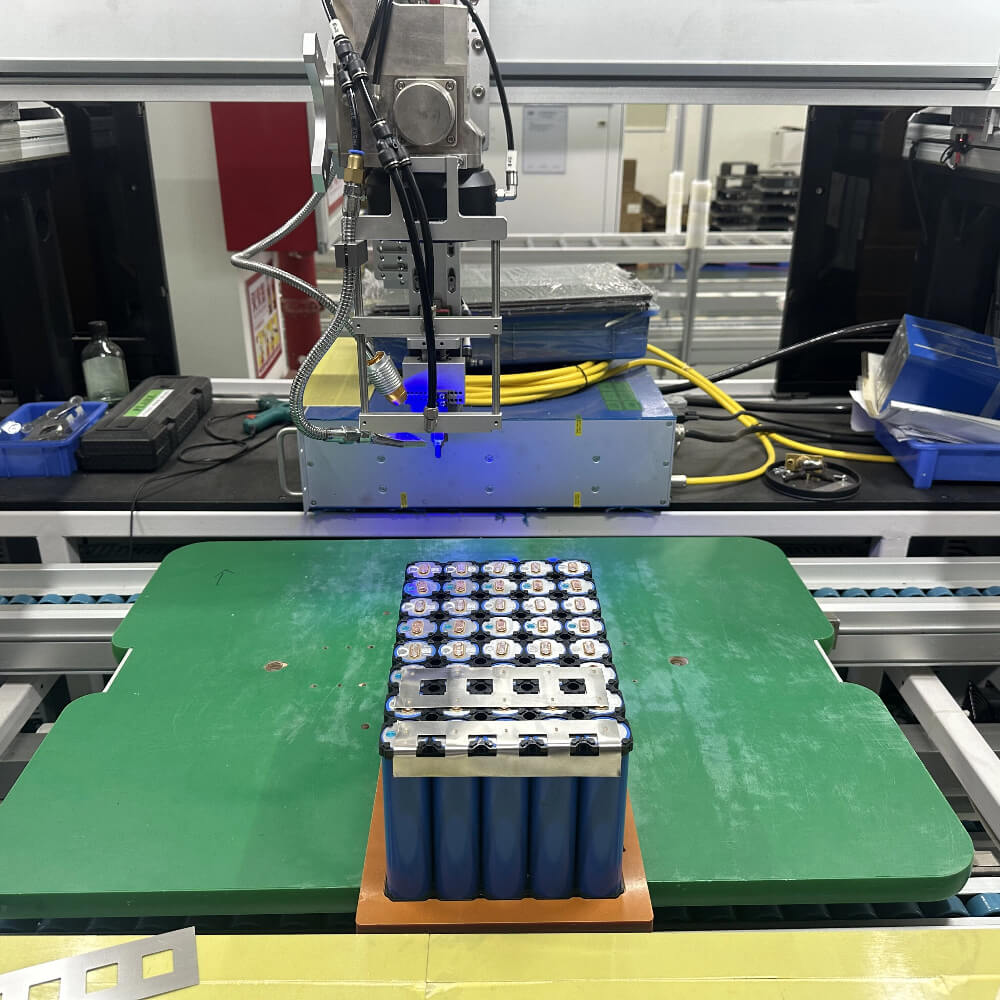
A UPS battery pack can be charged with solar power, but it needs a suitable MPPT or PWM charge controller. Do not connect a solar panel directly to the UPS AC input or battery terminals. A solar-charged UPS can work when:
The setup should be avoided when the UPS does not support external charging, voltage or current ratings do not match, or the battery is repeatedly deep-cycled beyond its design. Direct panel-to-battery wiring, missing protection, and unsupported desktop UPS modifications can also create safety and reliability risks.
A UPS battery and a solar battery can both provide stored power, but they are designed for different operating patterns. A UPS battery prioritizes immediate backup when grid power fails, while a solar battery is built around repeated charge and discharge cycles. This difference becomes important when a UPS battery is used with solar panels.
Key Differences
|
Aspect |
UPS Battery |
Solar Battery |
|
Main purpose |
Short-term backup |
Daily energy storage |
|
Typical discharge |
Shallow |
Deeper |
|
Cycle demand |
Low to moderate |
Frequent |
|
Charging |
Mainly float charging |
Solar charging |
|
Common types |
VRLA, AGM, GEL, Li-ion |
GEL, OPzV, OPzS, LiFePO4 |
|
Typical use |
UPS and emergency backup |
Solar and off-grid systems |
For occasional backup, a compatible UPS battery can work with solar charging. However, repeated deep discharge can shorten the service life of batteries designed mainly for standby use. If daily cycling is expected, a deep-cycle battery or LiFePO4 UPS battery is generally a more suitable choice.
Solar charging works best when the UPS and battery system are designed to accept an external power source. Suitable applications typically include:
These systems are well suited to backup periods ranging from several minutes to a few hours, such as waiting for a generator or completing a controlled shutdown. Panel capacity, controller rating, and battery size should be calculated from the load and required runtime. DC fuses, breakers, disconnects, grounding, and adequate ventilation should also be included.
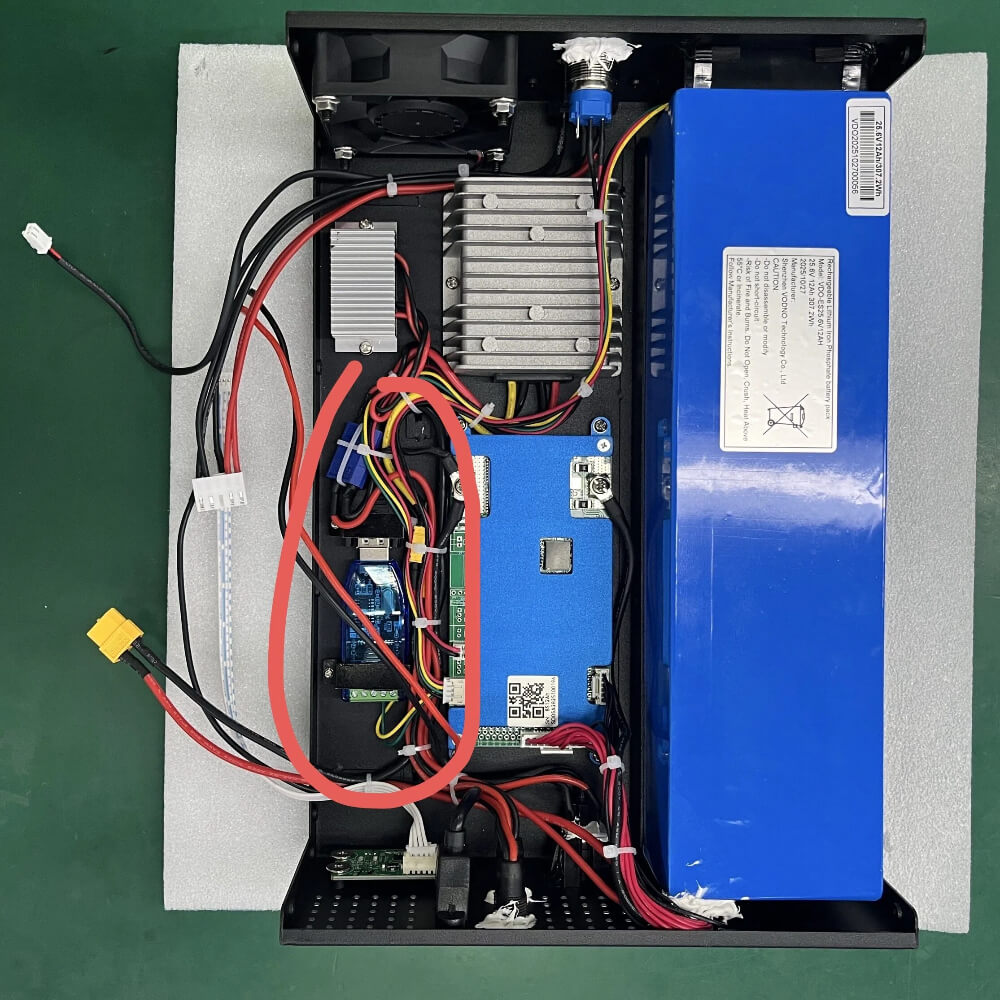
Solar charging is not suitable for every UPS. Before connecting a solar system, check the UPS manual and battery specifications. Avoid this setup when:
Directly connecting solar panels to the UPS AC input or battery terminals is also unsafe. Lead-acid batteries used for daily deep cycling without proper temperature and battery management may experience accelerated degradation.
A solar-charged UPS system connects several components to manage and store solar energy:
Backup vs Off-Grid
A UPS is mainly designed to provide short-term backup when grid power fails. A fully off-grid system, however, requires a hybrid inverter and deep-cycle battery designed for regular daily cycling. Solar charging can reduce reliance on grid power, but it does not automatically turn a UPS into a complete off-grid system.
Wiring: Solar panel→MPPT/PWM controller→battery bank→UPS→loads

Step 1 Choose the Controller
Use an MPPT controller for most systems, while PWM can suit smaller setups. Set the charging profile according to the battery chemistry, especially for LiFePO4.
Step 2 Match the Ratings
Confirm that the battery bank matches the UPS DC bus, such as 12V, 24V, or 48V. Check the controller's PV voltage and current limits, and ensure the UPS can handle the required continuous and surge load.
Step 3 Add Protection
Install appropriately rated DC fuses or breakers and a disconnect switch. Keep cable runs short and properly sized to limit voltage drop and heat.
Step 4 Ground and Ventilate
Follow local electrical requirements, ground exposed metal parts, and maintain adequate ventilation around the battery and UPS.
Step 5 Monitor the Battery
Use a BMS or shunt to track SOC, current, and temperature. LiFePO4 batteries require appropriate low-temperature charging protection.
|
Do |
Don't |
|
Use a rated charge controller |
Connect panels directly to UPS |
|
Match system ratings |
Mix incompatible batteries |
|
Install DC protection |
Bypass BMS protection |
|
Verify UPS compatibility |
Exceed equipment limits |
Correct sizing starts with the actual load and required backup time. Calculate energy demand first, then match the battery, solar array, controller, and UPS to that demand.
|
Step |
Key calculation or check |
|
Load |
Wh = W×hours; add 10-20% for system losses. |
|
Battery |
Ah = Wh÷voltage÷DoD. Use the UPS DC bus voltage. |
|
Solar |
PV W ≈ daily Wh÷peak sun hours÷system efficiency. |
|
Controller |
Match PV voltage/current and allow charging headroom. |
|
UPS |
Continuous rating must cover the load; allow extra capacity for startup surges. |
|
Example |
Router: 20W×4h = 80Wh; camera: 10W×4h = 40Wh; medical device: 60W×2h = 120Wh. Total = 240Wh; with 20% margin = 288Wh. |
Use local peak-sun-hour data for solar sizing, and check both W and VA when selecting the UPS.
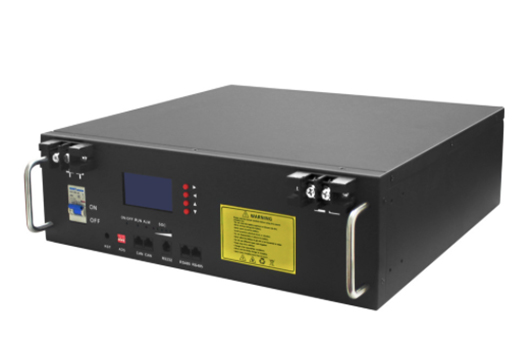
Battery choice depends on how often the UPS cycles, the required runtime, and maintenance conditions. No single chemistry fits every application.
Lead-Acid/AGM/GEL batteries offer lower upfront cost and good standby performance, making them suitable for occasional, shallow-discharge backup.
OPzV/OPzS tubular lead-acid designs provide better cycling performance. OPzV is maintenance-free, while OPzS requires regular maintenance.
LiFePO4 UPS Battery offers high usable capacity, long cycle life, stable voltage, and low maintenance. It requires a suitable BMS and charging profile, with low-temperature charging protection where needed.
|
Chemistry |
DoD |
Cycle Life |
Maintenance |
Solar Suitability |
|
AGM/GEL |
50-60% |
400-1,300 |
Low |
Short-term |
|
OPzV |
~80% |
~2,100 |
Low |
Good |
|
OPzS |
~80% |
~2,300 |
Regular |
Good |
|
LiFePO4 |
80-90% |
2,000-5,000+ |
Very low |
Excellent |
A UPS battery can be charged with solar power when the system is properly designed and the UPS supports the required battery configuration. The right charge controller, voltage matching, battery chemistry, protection, and system sizing are essential for safe and reliable operation. Solar charging can work well for short-term backup, while multi-day off-grid applications are better suited to a hybrid inverter with a deep-cycle battery. For systems that require frequent cycling, a LiFePO4 UPS battery can provide higher usable capacity, longer cycle life, and lower maintenance than traditional standby batteries.
For businesses looking for a customized solution, Vodno Battery combines battery design, electrical circuit engineering, manufacturing, and quality control to develop application-specific battery packs. Its products comply with relevant certifications and standards for different markets. Contact Vodno Battery today to discuss your solar-compatible UPS battery pack.

 YouTube
 Facebook
 Linkedin