 YouTube
 Facebook
 Linkedin
© Copyright 2026 Shenzhen Vodno Technology Co., Ltd All rights reserved. Powered by iwonder.cn

Lithium battery professional builder
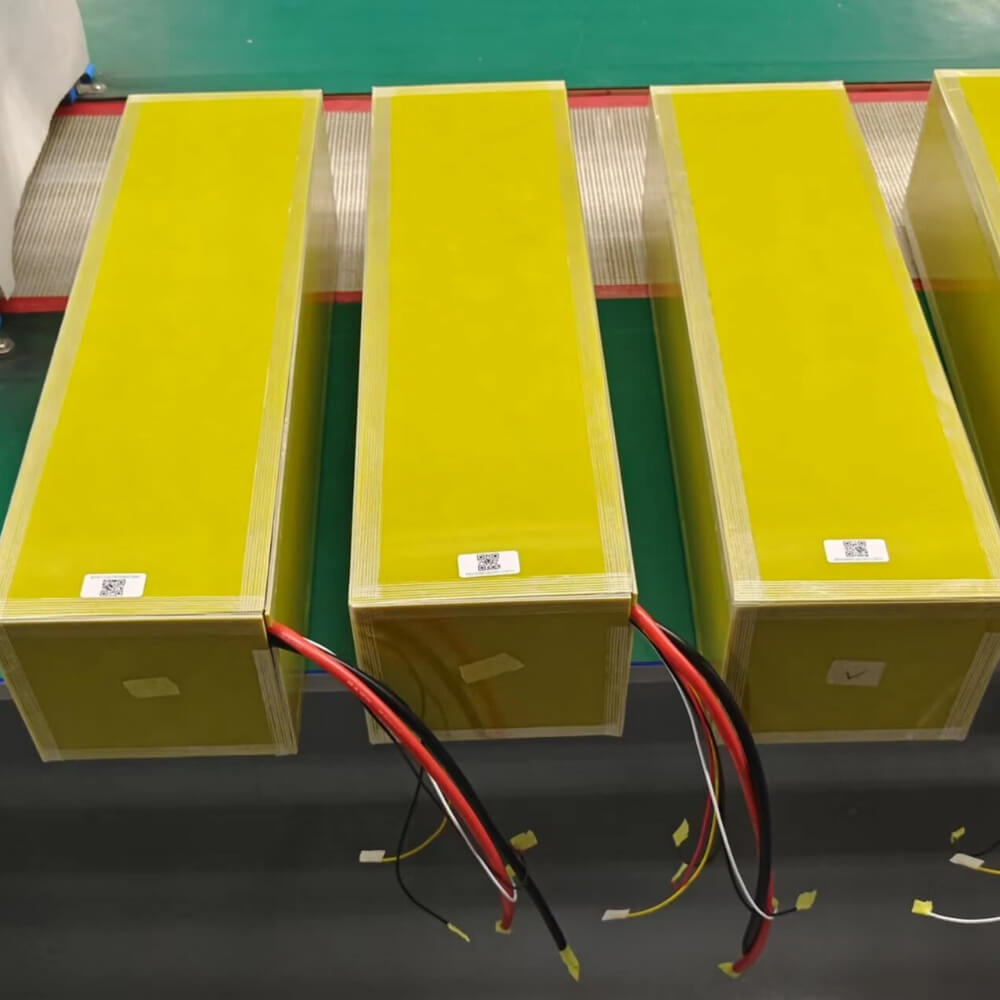
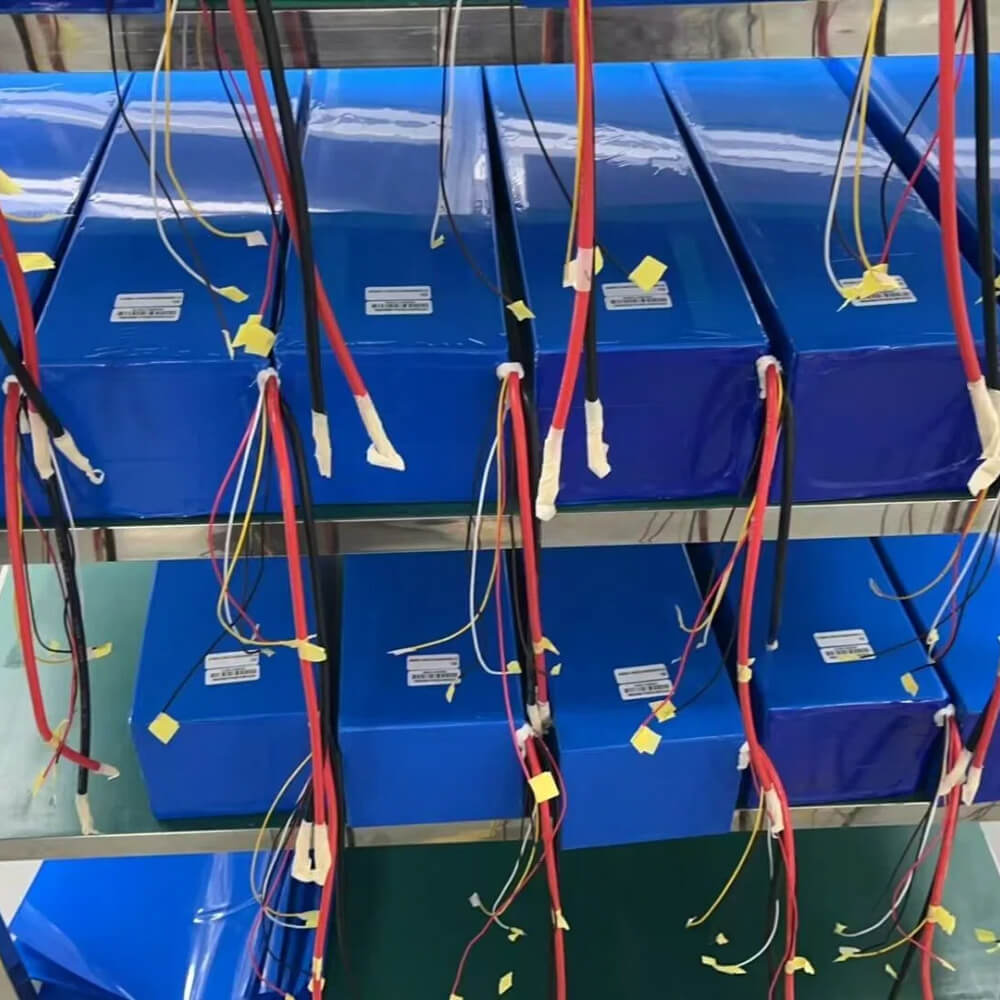
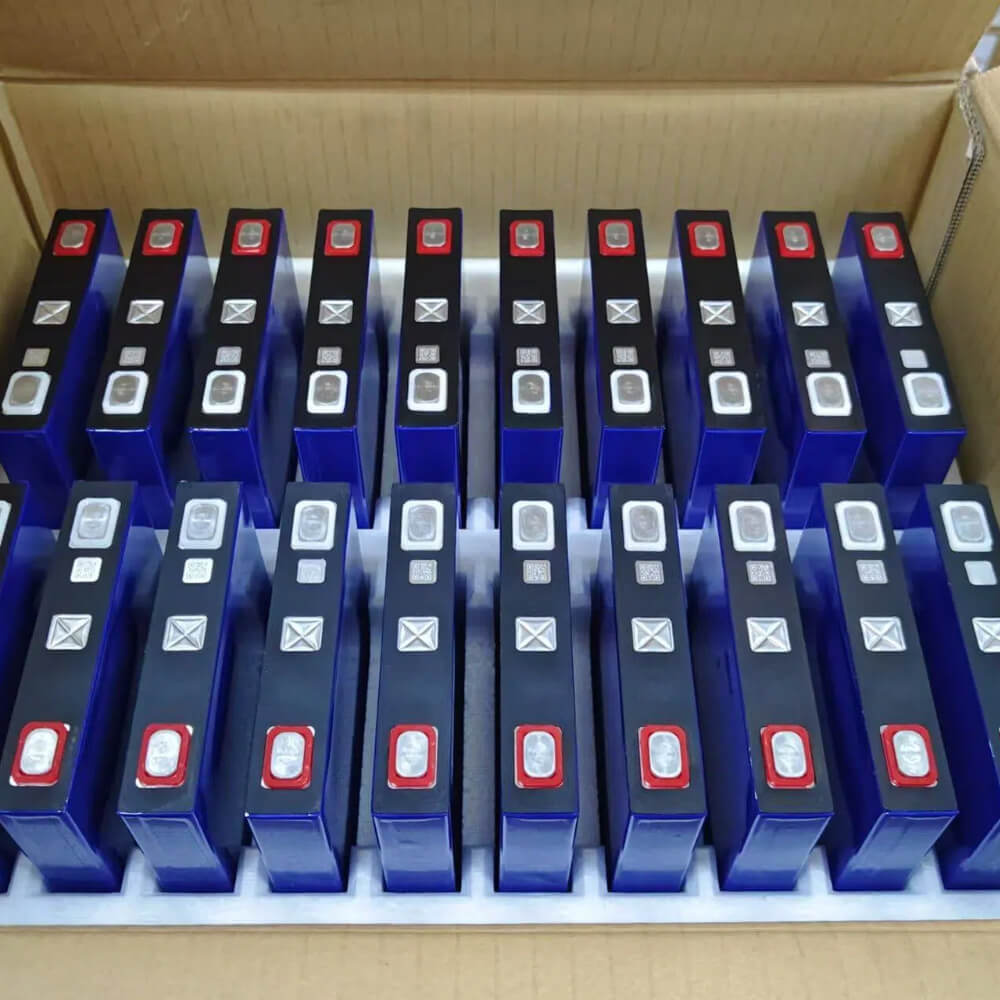
AGV batteries adapt to industrial frequent start-stop, pulse current and shallow cycle operation. Featuring stable voltage output and strong vibration resistance, they support opportunity charging and 24/7 unattended operation. LFP serves as the mainstream option with balanced performance, while LTO, NCM and VRLA apply to differentiated industrial scenarios with distinct life, rate and cost features.

Electric bicycle

Electric motorcycle

Electric tricycle

Electric boat

Motorhome

Energy storage

RC toy

Led light

Street light

UPS

Medical Equipment

Robot
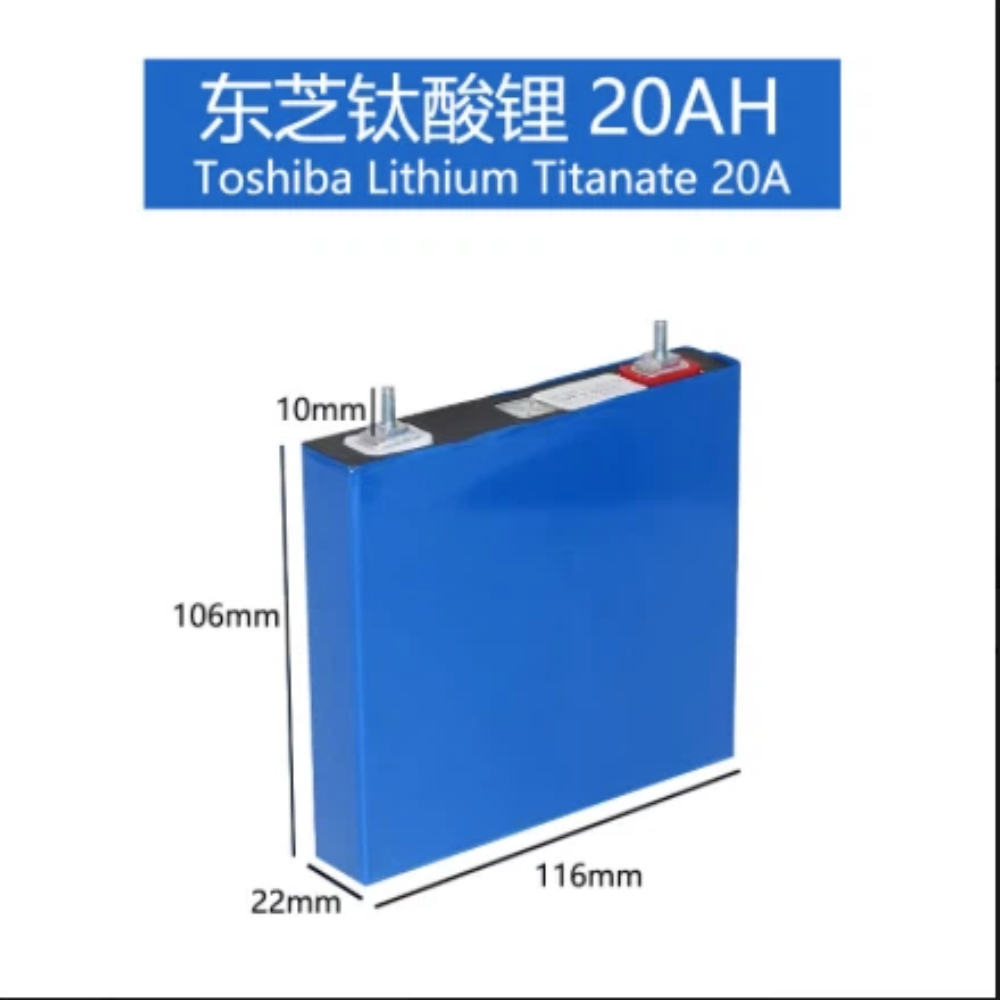
Automated Guided Vehicles (AGVs) and Autonomous Mobile Robots (AMRs) require industrial batteries that support frequent start-stop operation, intermittent high-current pulses, and long-duration industrial cycling. Currently, Lithium Iron Phosphate (LFP) and Lithium Titanate Oxide (LTO) are the two mainstream lithium-ion chemistries for industrial AGV power systems, replacing traditional lead-acid batteries due to higher efficiency and reliability.
LFP features high energy density and cost-effectiveness for standard-duty scenarios, while LTO delivers extreme cycle life, ultra-fast charging capability, and superior low-temperature performance for 24/7 high-frequency opportunity-charging industrial scenarios. This document provides a full technical, operational, and commercial comparison for engineering selection and project bidding.
|
No. |
Term |
Parameter |
|
1 |
Nominal voltage |
48V |
|
2 |
Capacity |
Nominal:20Ah Minimum:19Ah |
|
3 |
Standard charge method |
Constant current and constant voltage (CC/VV), current is 20A, voltage is 56.7±0.1V, cut-off current is 0.4A |
|
4 |
Max. continuous charge current |
60A |
|
5 |
Standard discharge |
current=6.67A,cut-off voltage =31.5V±1V |
|
6 |
Max. continuous discharge current |
60A |
|
7 |
Peak discharge current |
120±10A(3S) |
|
8 |
Cycle Life |
70%≥20000cycles(1.0C charge and 0.3C discharge) |
|
9 |
Safety and protection |
Protection of overcharge, over-discharge, short circuit, over-temperature. |
|
10 |
Communication method |
CAN protocol (BMS with baud rate 500kpbs) |
|
11 |
Shipment voltage |
48V~56.7V |
|
12 |
Weight |
Approx. 15 kg |
|
13 |
Operating Temperature |
Charge: 0 to 50℃ Discharge: -20 to 65℃ |
|
14 |
Storage Temperature |
1 month: 0 to 45℃ 3 month: 0 to 35℃ |
Prior to Choose LFP
Prior to Choose LTO