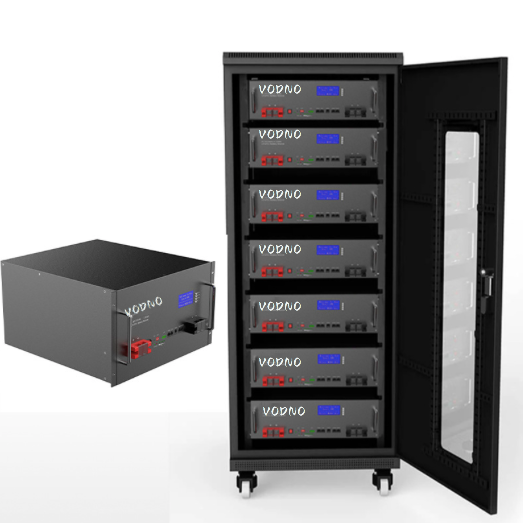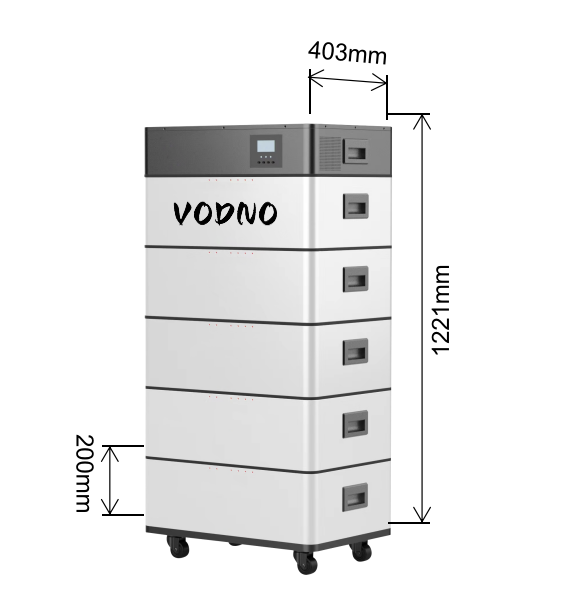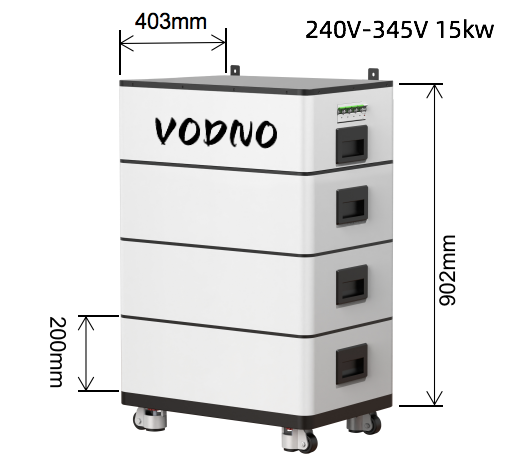

Battery Energy Storage System (BESS)
- Designed for residential, commercial and industrial energy storage,
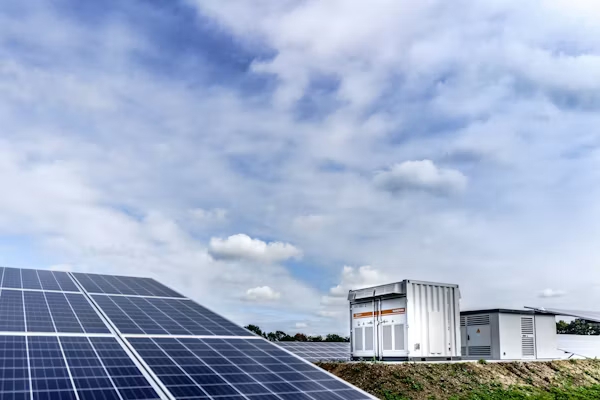
- renewable energy pairing, grid support and backup power,
- and microgrid and off-grid power supply!
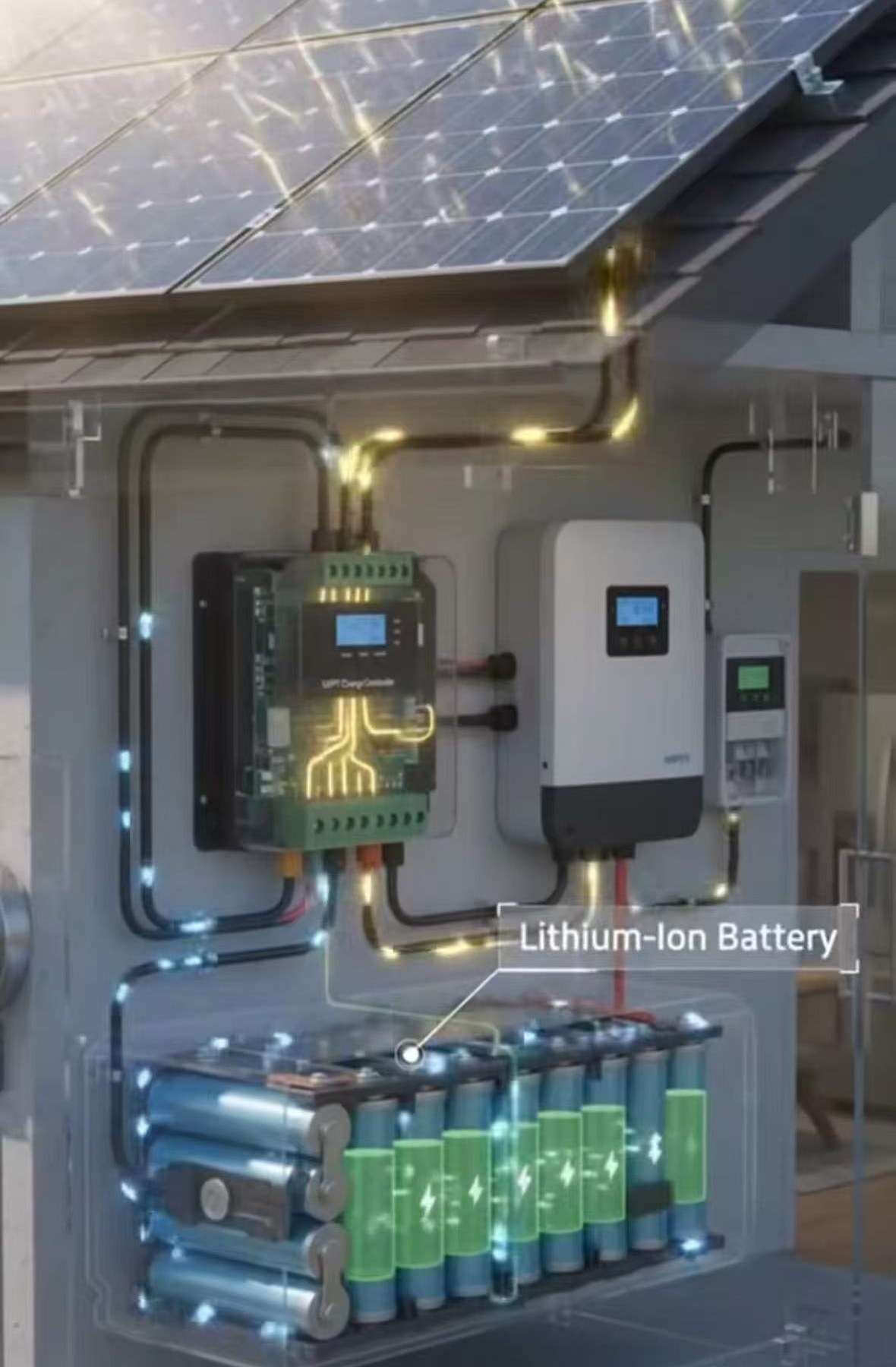
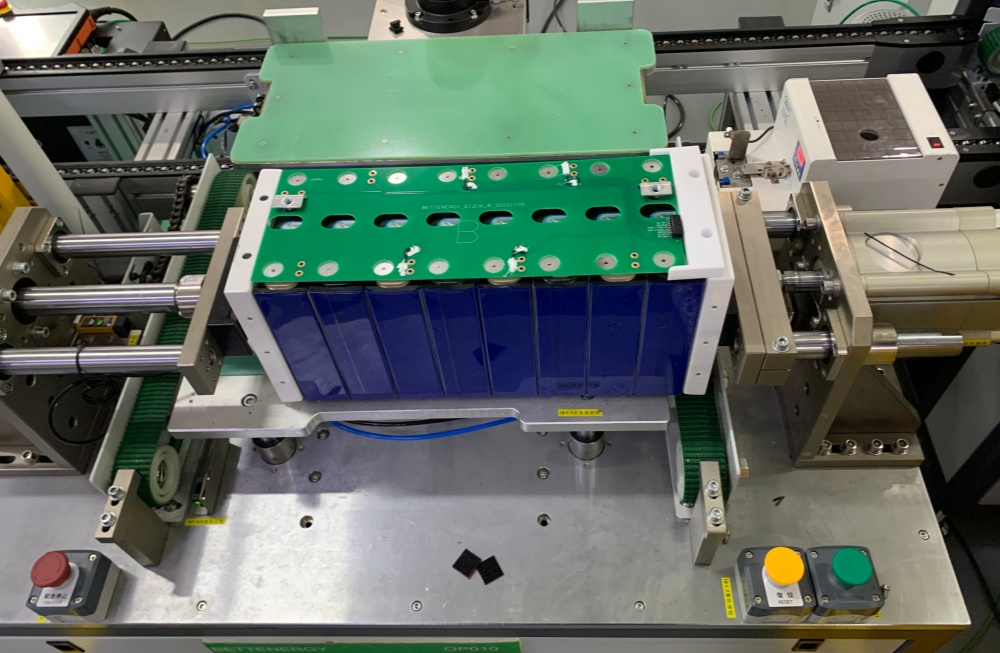
| Core Component | Function |
|---|---|
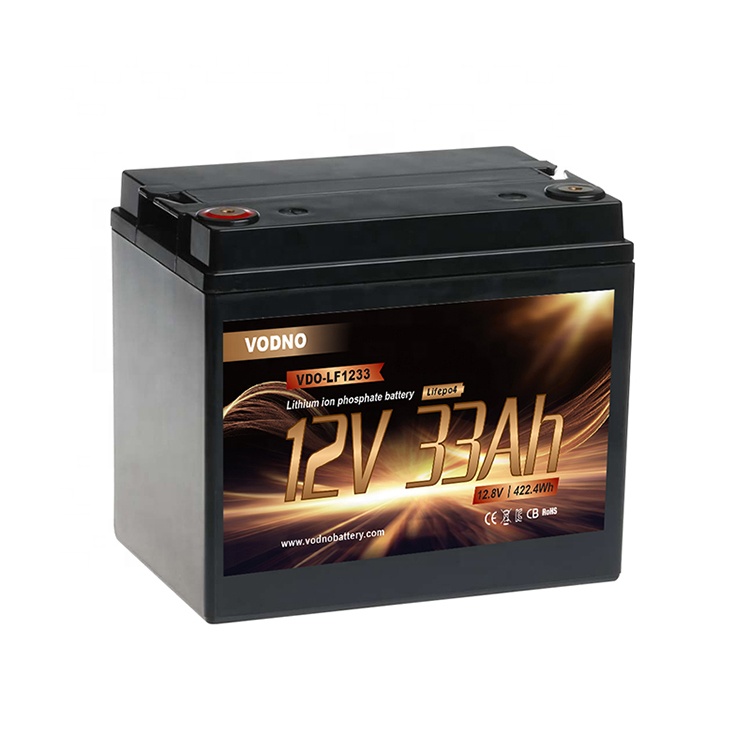
| Battery Pack | Energy storage medium. LiFePO4 is widely used for grid BESS. |
| BMS (Battery Management System) | Monitor cell voltage and temperature, protect against overcharge and over-discharge, and balance cells. |
| PCS (Power Conversion System/Inverter) | Convert between AC from the grid and DC from the battery. |
| HV Cabinet, Transformer, Cooling & Fire Suppression | Auxiliary and safety subsystems. |
The smallest unit, available in prismatic, pouch or cylindrical formats. Prismatic LFP is dominant for container BESS.
Multiple cells assembled together with sampling wires and thermal pads.
Multiple modules with slave BMS, fixed in a cabinet or container.
Multiple racks managed by a master BMS.
Battery racks combined with BMS, cooling and fire suppression.

| Battery | Safety | Cycle Life | Energy Density | Cost | Main BESS Application |
|---|---|---|---|---|---|
| LFP | ★★★★★ | 6000–12000 | Medium | Low | Utility/C&I (dominant) |
| NMC | ★★★☆☆ | 3000–6000 | High | Medium | Compact storage |
| LTO | ★★★★★ | >20000 | Low | High | Fast response grid services |
| Lead-acid | ★★★★☆ | 500–1500 | Very low | Very low | Small backup only |
| Vanadium Flow | ★★★★★ | >10000 | Low | High | Long-duration storage |
| Sodium-ion | ★★★★☆ | 4000–8000 | Medium | Falling | New pilot projects |
Store electricity during lower-demand periods and discharge during peak periods to help manage electricity demand.
Provide rapid power response for frequency regulation and voltage support to help maintain grid stability.
Provide backup electricity for industrial and commercial sites when the main power supply is interrupted.
Work with solar and wind power systems to store renewable electricity and smooth power fluctuations.
Support microgrid operation and provide electricity for off-grid power systems where grid access is limited or unavailable.
Indicates the number of charge and discharge cycles a battery can complete while retaining up to 80% of its original capacity.
Depth of Discharge indicates the maximum usable portion of stored energy. LFP batteries commonly allow around 90% DOD.
Measures the energy delivered by the BESS compared with the energy used to charge it, expressed as energy out divided by energy in.
Serves as a critical battery safety indicator related to thermal runaway and the safe operating limits of the battery system.
Describes battery aging during storage and idle periods, independent of the number of charge and discharge cycles.
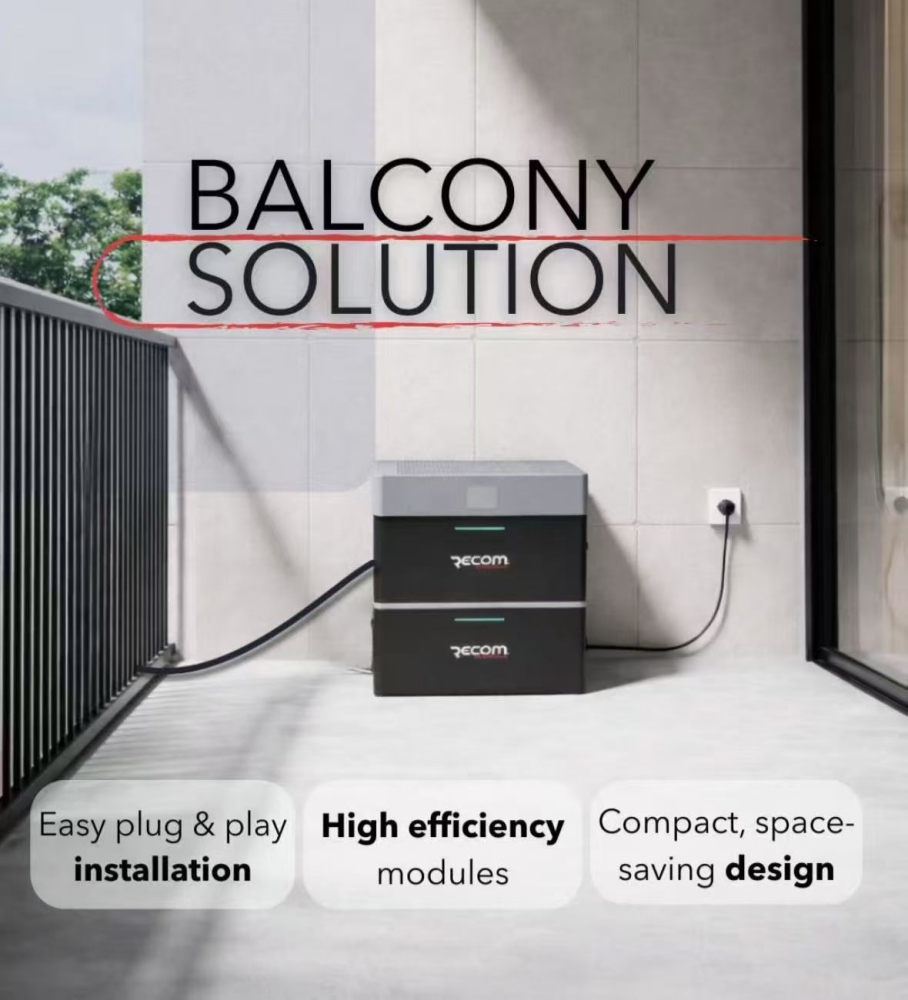
Refers to the physical cell design. Prismatic cells are widely used in large BESS, while cylindrical cells are also common in compact balcony storage.
![]() |
![]() |
![]() |
![]() |
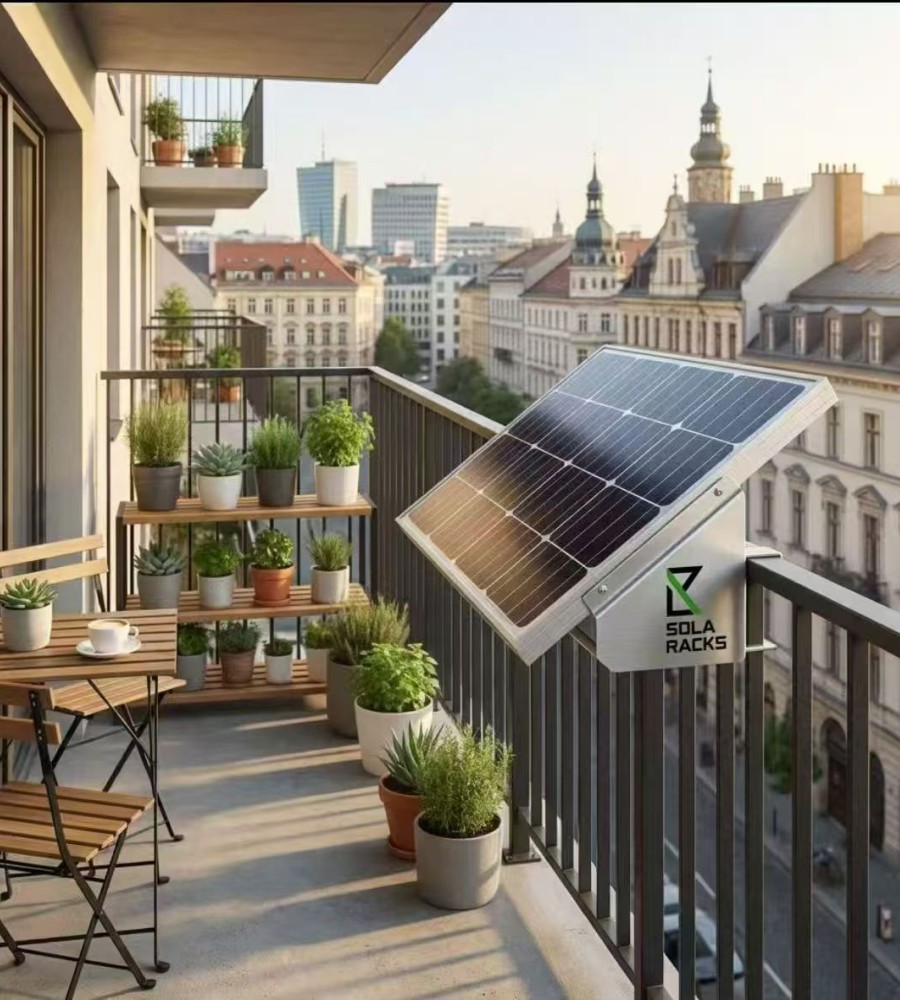
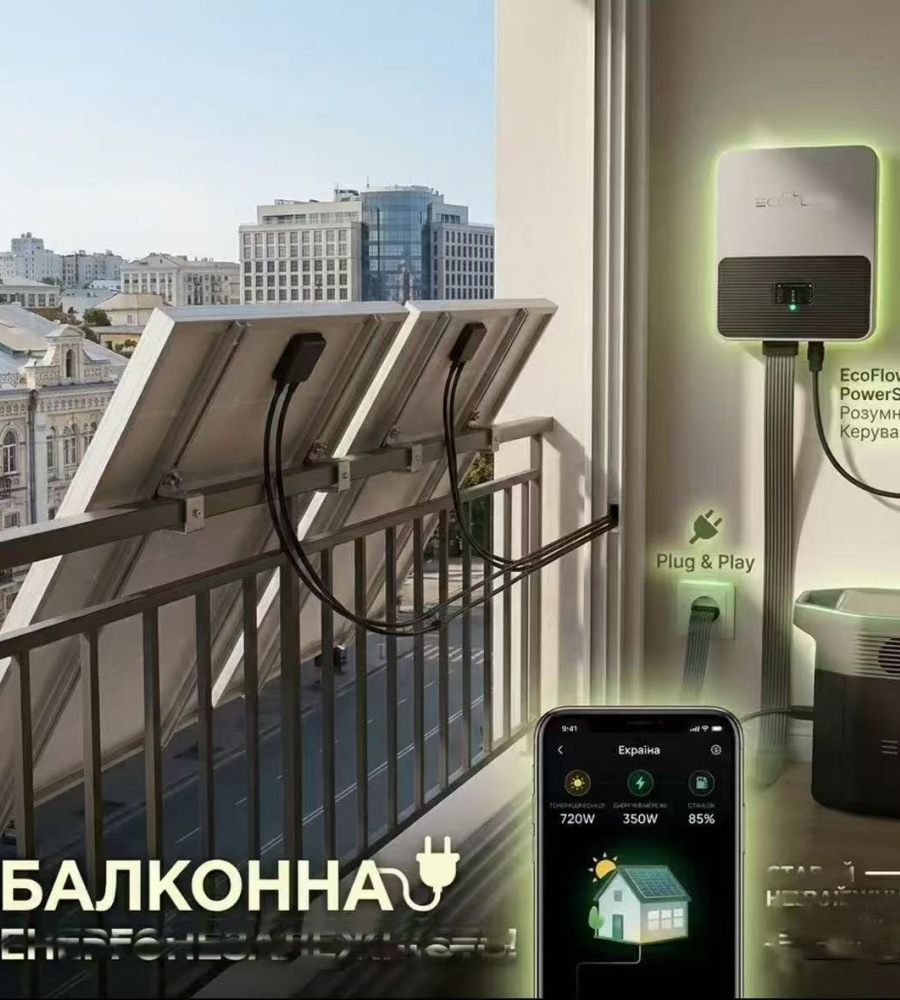
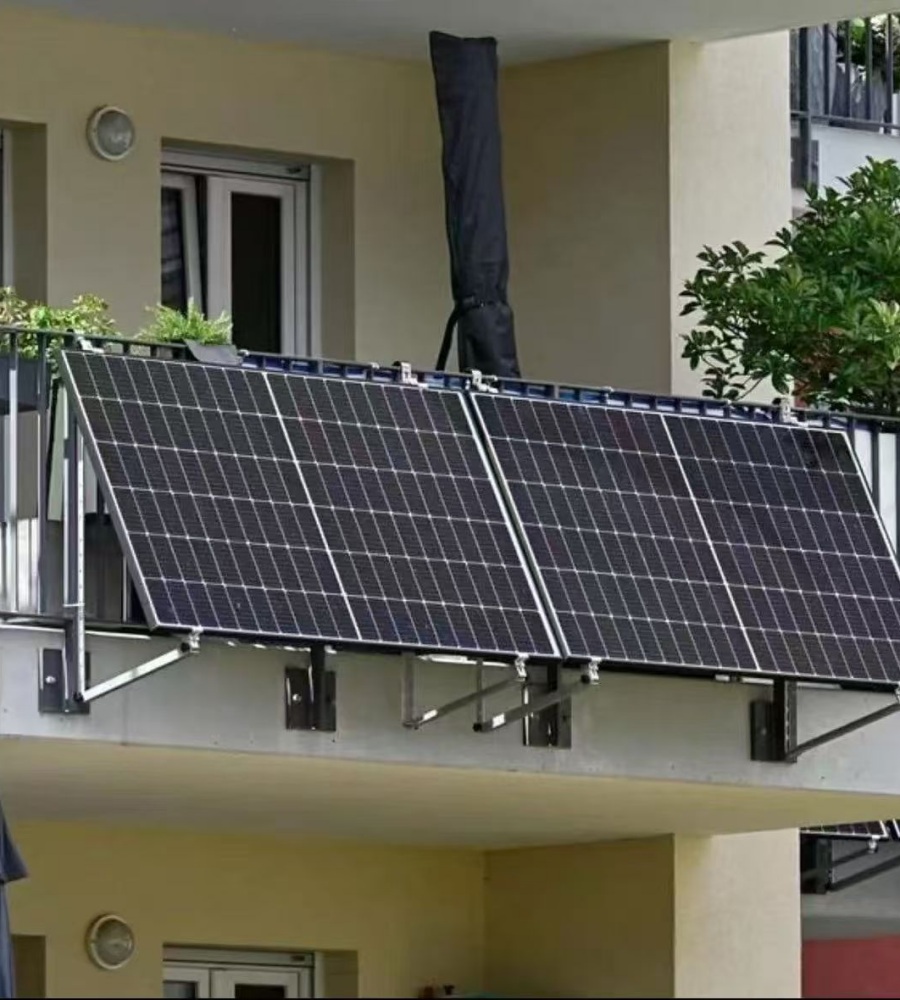
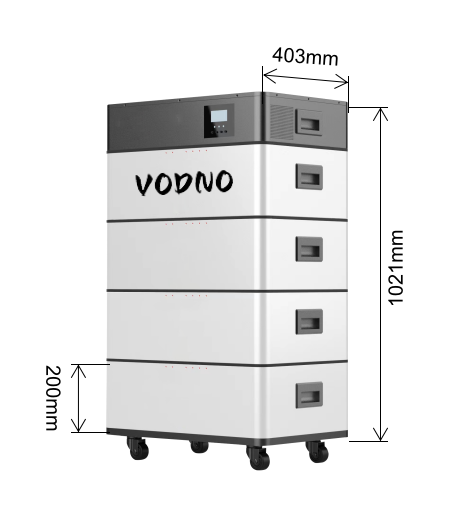
| Residential Balcony Storage | |
![]() |
![]() |
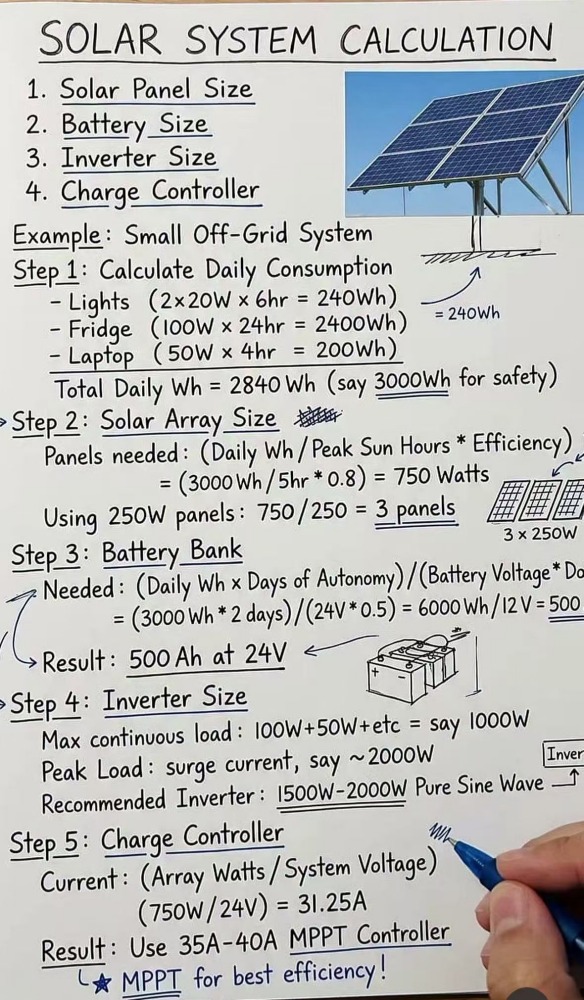
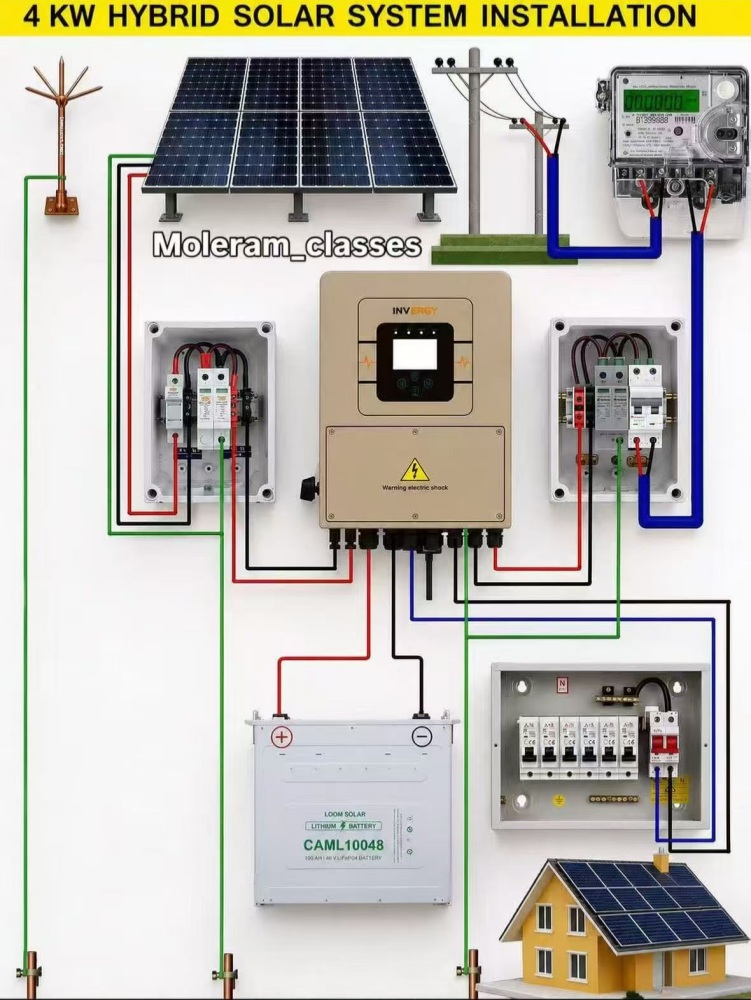
| Solar Energy System Installation & Calculation | |
LFP BESS can provide long service life with up to 6000–12000 cycles
Round-trip efficiency helps maximize the energy available from stored electricity
BMS, thermal management and fire protection work together for safer battery operation
Support residential storage, C&I sites, renewable energy, grid services and microgrids