
Lithium battery professional builder
As warehouses become more automated, Automated Guided Vehicles (AGVs) are playing an increasingly important role in material handling, transportation, picking, and logistics operations. These vehicles must perform repeated tasks with consistent efficiency, often across long operating hours and demanding work cycles.
While motors, navigation systems, and fleet management software are essential to AGV performance, the battery pack is equally critical. The right battery pack does more than store energy. Its voltage, capacity, power output, charging characteristics, and thermal performance all influence operating time, charging frequency, vehicle availability, and long-term reliability. Reliable AGV battery packs therefore need to be engineered around the complete application, including workload, operating environment, power requirements, and charging strategy.
This article explores the key engineering considerations behind AGV battery packs designed for demanding warehouse operations, from energy and power requirements to cell selection, BMS, thermal management, charging, and customized pack design.
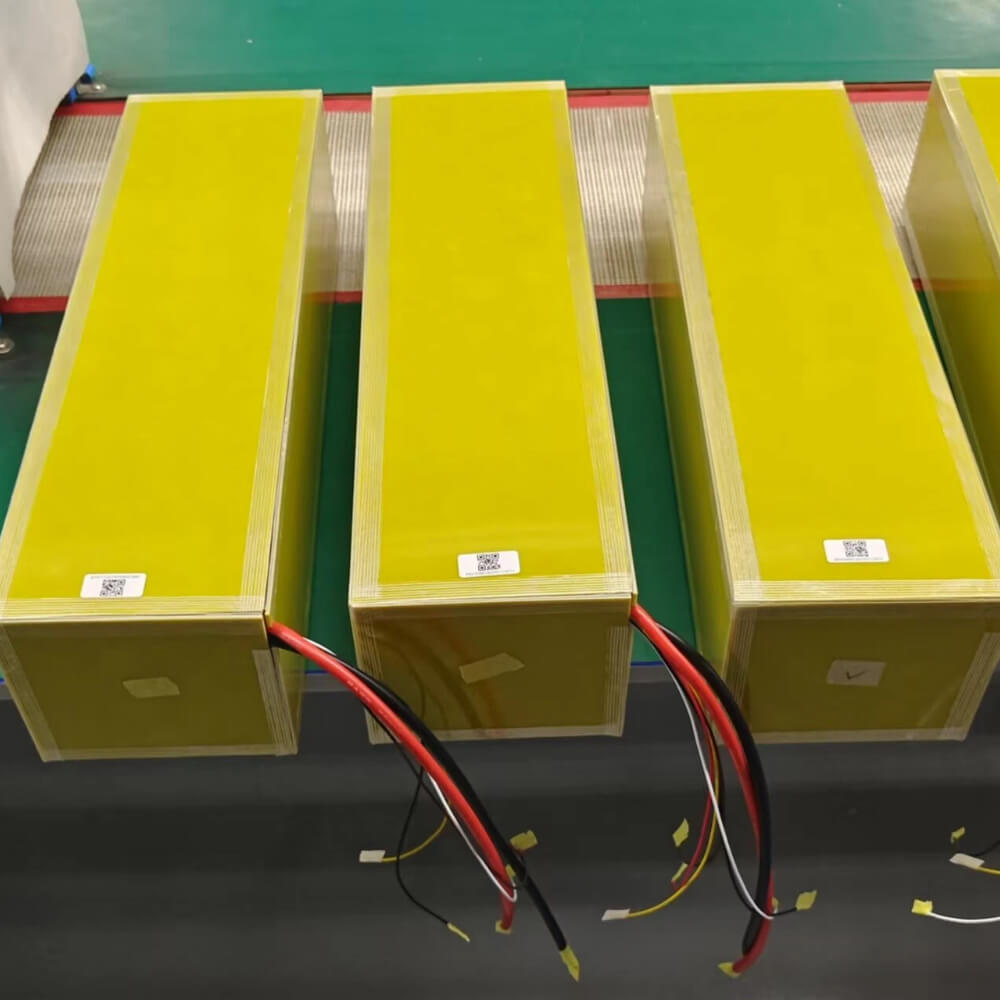
Before selecting battery specifications, it is important to understand how the AGV operates in real warehouse conditions. Key factors include:
These factors determine how much energy the AGV needs during a typical working day.
Battery energy can be estimated using Energy = Voltage×Capacity. Too little capacity can cause frequent charging, shorter operating periods, and more downtime, while excessive capacity may increase weight, cost, charging time, and integration challenges.
Power demand is equally important. Starting, acceleration, heavy loads, inclines, and frequent stop-and-go operation can create short periods of high current demand. Therefore, battery design should consider both continuous discharge current and peak/transient discharge current.
AGV battery design requires more than selecting a suitable cell. The electrical, mechanical, and operational requirements need to work together so the finished pack can integrate with the vehicle while delivering consistent performance.
|
Design Factor |
Key Considerations |
|
Cell chemistry |
LiFePO4 or NMC based on energy density, power, cycle life, safety, and operating conditions |
|
Electrical configuration |
Nominal voltage, capacity, energy output, continuous current, and peak current |
|
Pack dimensions |
Length, width, height, mounting points, and available installation space |
|
Physical integration |
Cable routing, connector position, service access, and enclosure arrangement |
|
Vehicle requirements |
Payload capacity, weight distribution, energy consumption, and mechanical constraints |
There is no single battery chemistry or configuration that suits every AGV. The final design should balance runtime, power delivery, available space, and vehicle weight according to the intended application. In this sense, battery design is also an important part of AGV vehicle integration, helping ensure that the battery works effectively with the complete vehicle system.
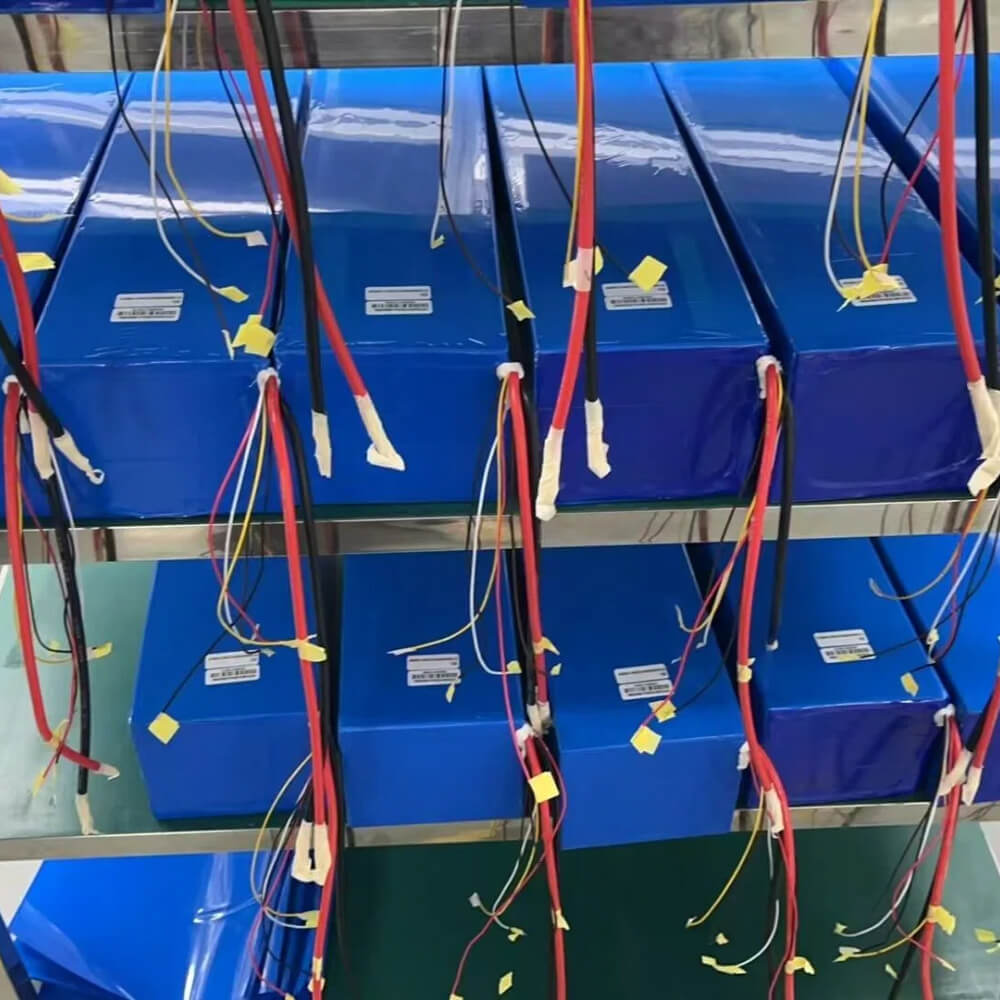
A Battery Management System (BMS) helps monitor and protect the battery during charging and operation. Its key functions can include:
By continuously tracking battery conditions, the BMS helps maintain stable operation and provides important protection against abnormal electrical conditions.
AGVs may generate significant heat during frequent operation, high-current discharge, or charging. Thermal management therefore needs to consider cell arrangement, heat dissipation, temperature sensing, charging and discharging limits, enclosure design, and the operating environment. Thermal management is closely connected with battery performance, service life, and safety.
Safety should be addressed throughout the entire battery system, from cell selection and electrical protection to BMS, thermal management, mechanical enclosure, and manufacturing quality control. Where required, battery status, SOC, and fault information can also be integrated with the vehicle control system for better monitoring and system coordination.
The AGV's operating plan determines the charging strategy, which in turn affects the battery design. For instance, a fast-charging strategy may be adopted to replenish energy during limited periods of downtime. Designing batteries for fast charging requires a comprehensive assessment of factors such as cell chemistry, charging current, BMS limitations, temperature, charger compatibility, and State of Charge (SOC) to ensure an efficient and controllable charging process.
AGV battery system design must also take into account the vehicle's actual energy and power requirements. A well-designed capacity—combined with appropriate charging strategies, operating frequencies, and storage conditions—can maximize uptime while extending battery life and optimizing the total cost of ownership (TCO).
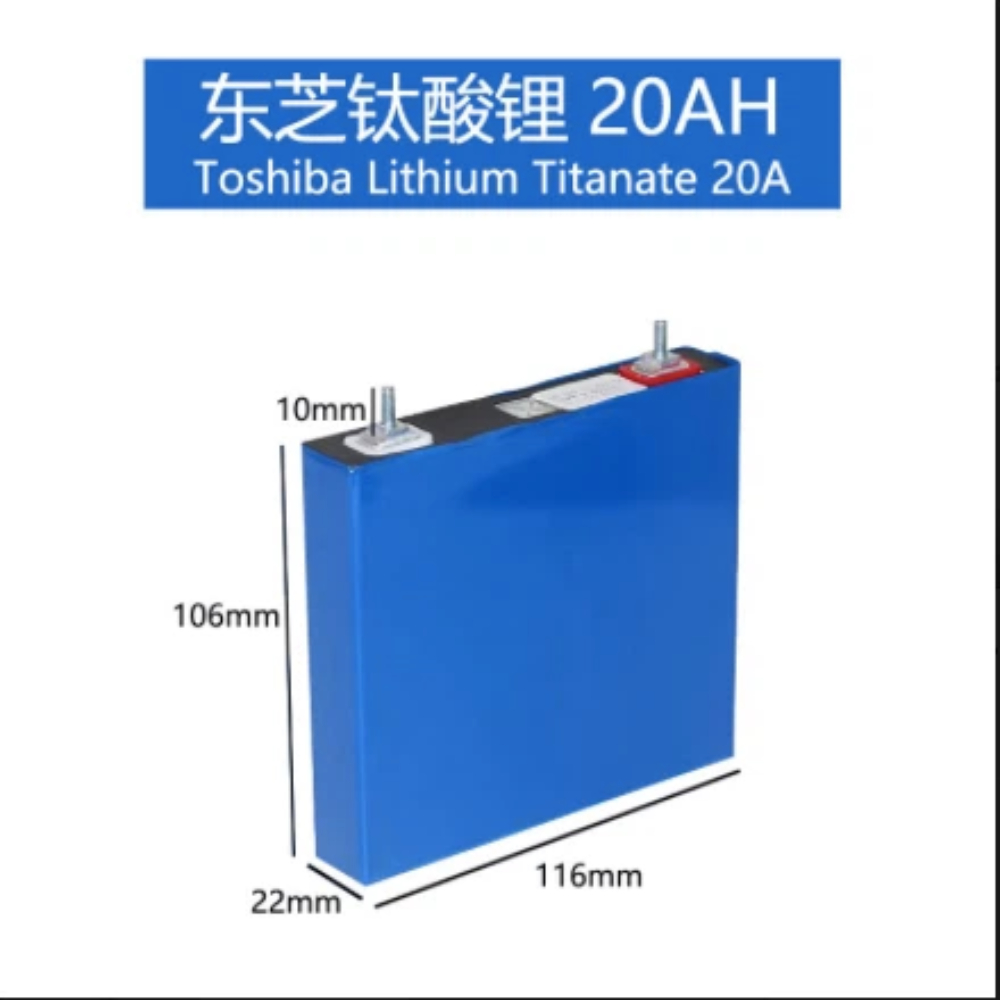
A practical custom AGV battery process can be divided into three connected stages, from defining the application requirements to designing the battery system and validating it for production.
OEMs should provide information such as:
These inputs provide the basis for calculating energy and power requirements and defining the target battery configuration.
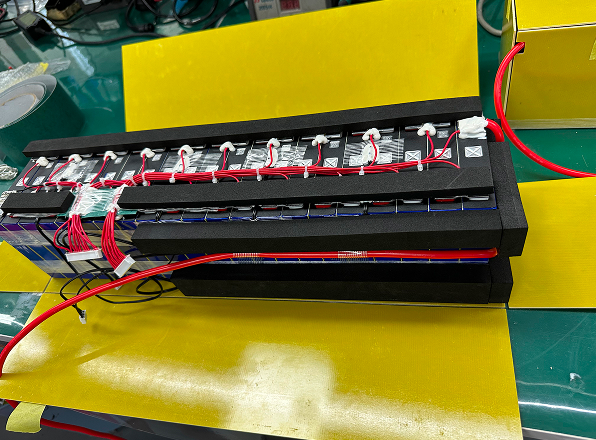
The result is a battery pack design that integrates the electrical and mechanical requirements of the AGV.
This structured process can support customized battery solutions for warehouse transportation AGVs, AGV forklifts, automated material handling vehicles, logistics AGVs, and industrial mobile robots.
A reliable AGV battery solution needs to balance the vehicle's duty cycle, energy capacity, power demand, cell selection, BMS, thermal management, mechanical integration, charging strategy, and quality control. Considering these factors together helps improve uptime, battery life, and long-term operating value.
For AGV manufacturers and warehouse automation companies, the right battery partner should understand both vehicle requirements and application conditions. Founded in 2010, Vodno Battery integrates battery solution engineering, electronic circuit design, manufacturing, and quality control, with customers in more than 20 countries and regions. Its products comply with CE, RoHS, and UN requirements. If you need a customized AGV battery pack, contact Vodno Battery to discuss your voltage, capacity, dimensions, and power requirements.


 YouTube
 Facebook
 Linkedin